China is widely recognized as a global manufacturing powerhouse, offering unparalleled opportunities for businesses worldwide. From consumer electronics to textiles, sourcing products from China can significantly lower production costs and improve profit margins. However, tapping into China’s vast manufacturing network isn’t without its challenges. Successful product sourcing and supplier vetting in China require strategic planning, rigorous research, and effective communication to ensure quality, reliability, and compliance. In this guide, we’ll walk you through everything you need to know about sourcing products and vetting suppliers in China, and how companies like China 2 West (C2W) can simplify the process to help your business succeed. Visit our homepage for more information.
Understanding Product Sourcing in China
Why Choose China for Product Sourcing?
China has earned its position as a global leader in manufacturing for several reasons. The country offers an extensive supplier base, allowing businesses to choose from a wide variety of products across practically every industry. Cost-effectiveness is another key advantage—thanks to economies of scale, China can produce high-quality goods at lower prices compared to many other countries. Moreover, China has well-established logistics infrastructure and trade routes, making it easier to transport goods globally.
China’s ability to manufacture innovative and customized solutions is also a draw for foreign businesses. Industries such as electronics, consumer goods, machinery, and textiles thrive here, thanks to skilled labor and state-of-the-art technology. Whether you’re a startup launching a new product or an established company expanding your supply chain, sourcing from China presents immense opportunities to grow your business.
Key Considerations When Sourcing Products
While sourcing in China presents numerous advantages, there are key factors to keep in mind to avoid potential pitfalls. First, consider the type of product and the specific industry standards you need to meet. Be sure to review any legal or regulatory requirements in your home country to ensure compliance.
Additionally, cultural and language differences can sometimes lead to miscommunication. Familiarizing yourself with Chinese business customs is important for smoother negotiations. Lastly, always have a clear understanding of minimum order quantities (MOQs), lead times, shipping costs, and payment terms. By planning ahead and doing your research, you’ll minimize risks and maximize the benefits of sourcing from China.
Finding Reliable Suppliers
Online Marketplaces and Trade Shows
When it comes to finding reliable suppliers in China, online marketplaces like Alibaba, Made-in-China, and 1688 are popular starting points. These platforms allow you to browse thousands of suppliers and compare quotes. However, because not all suppliers on these platforms are equally trustworthy, it’s crucial to verify their legitimacy before committing to a partnership.
Trade shows, such as the Canton Fair and Global Sources Exhibitions, offer another opportunity to connect with suppliers. These events allow you to meet manufacturers face-to-face, inspect product samples, and discuss your requirements directly. China 2 West (C2W), with its extensive local presence, can also support businesses by leveraging its network of over 500 pre-vetted suppliers to match you with the right manufacturing partner.
Tips for Identifying Legitimate Suppliers
Ensuring you partner with a reputable supplier starts with thorough due diligence. Begin by checking their business licenses, certifications, and factory audits. Look for companies that are transparent about their facilities and provide references from previous clients.
Requesting samples is another effective way to evaluate a supplier’s capability. Examining the product’s quality will help you determine whether they meet your specifications. Additionally, pay attention to communication—reliable suppliers will be responsive, professional, and willing to provide clear documentation about their processes.
Supplier Vetting Process
Conducting Due Diligence
Vetting suppliers is one of the most critical steps in product sourcing and supplier vetting in China. The first phase involves verifying a supplier’s credibility. This includes cross-referencing their business details, reviewing certifications (such as ISO or CE), and conducting a background check to ensure they aren’t associated with fraudulent activities.
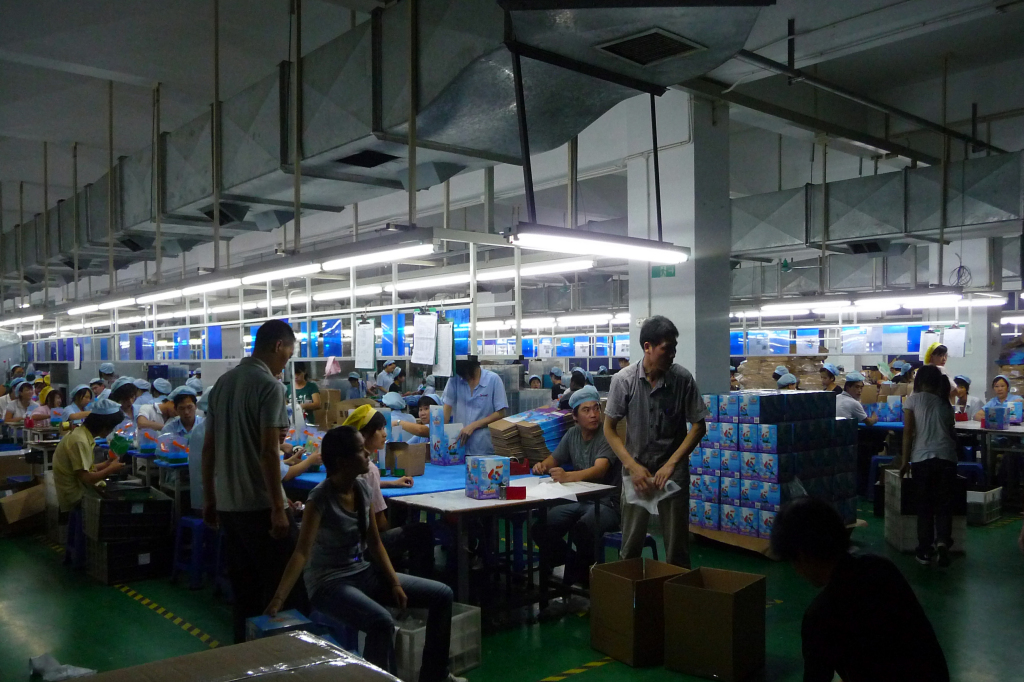
If possible, conduct a factory visit to observe their operations firsthand. During the visit, assess their working conditions, equipment, quality control measures, and capacity to handle your order volume. While such visits might not always be feasible for overseas businesses, professional sourcing companies like C2W can perform on-the-ground evaluations on your behalf.
Evaluating Supplier Samples and Standards
Requesting production samples is essential when choosing a supplier. Examine the samples for quality, durability, and consistency. Check if the materials used meet your exact specifications and industry standards. It’s also worth discussing whether the supplier can handle customizations or large-scale production without compromising on quality.
Working with a sourcing and quality assurance expert like C2W can streamline this phase. With nearly two decades of experience and over 15,000 projects completed, C2W applies rigorous quality control methodologies to ensure your products meet international standards before production begins.
Navigating Communication and Negotiation
Best Practices for Effective Communication
Clear and consistent communication is essential when working with suppliers in China. Establishing a strong communication channel—whether via email, phone calls, or messaging platforms like WeChat—ensures both parties are aligned on expectations. Be concise and precise in your instructions, avoiding jargon or overly complicated terms.
Creating visual aids such as technical drawings, specification sheets, or sample photos can reduce misunderstandings. Additionally, when dealing with Chinese suppliers, understanding cultural nuances and maintaining mutual respect can go a long way in building trust and rapport.
Negotiating Terms and Building a Long-Term Relationship
Negotiation goes beyond securing the lowest price. Focus on achieving a balance between quality, pricing, lead times, and payment terms. It’s important to be reasonable in your negotiations while also making clear the level of quality you expect. Developing a long-term relationship with your supplier opens doors to better pricing, shorter turnarounds, and improved service over time.
Companies like C2W specialize in building strong supplier relationships that benefit their clients. Operating with transparency and efficiency, C2W ensures that your product sourcing and supplier vetting in China lead to sustainable results for your business.
Conclusion
Sourcing products and vetting suppliers in China can be a game-changing strategy for businesses aiming to scale, reduce costs, or launch new products. By taking the time to research, verify, and communicate effectively, you can unlock the benefits of China’s manufacturing expertise and avoid potential pitfalls. From identifying trustworthy suppliers to evaluating product quality, every step of the process contributes to your success.
Partnering with an experienced manufacturing consultancy like China 2 West can make the entire process seamless. With 20 years of experience, a robust supplier network, and comprehensive quality control services, C2W is the trusted partner businesses need to navigate product sourcing and supplier vetting in China. Ready to take the next step? Contact C2W today to explore how we can help streamline your supply chain and meet your manufacturing goals.